- Texas Firm Number F-23372
Wastewater System Design in Texas & Colorado
Wastewater System Design for Developments, Utilities, and Municipal Projects
CUSTOM DESIGNED FOR
LONG-TERM SUCCESS
Effective wastewater system design is essential to the success of any residential development, commercial project, utility district, municipal facility, or decentralized wastewater treatment system. The right design affects permitting, construction cost, project schedule, long-term operations, environmental compliance, and the ability to serve future growth.
At JA Wastewater, we provide wastewater engineering and system design services for property owners, developers, civil engineers, municipalities, utility districts, and private wastewater facility owners across Texas and Colorado. Our team helps clients evaluate treatment options, select the appropriate permitting path, design reliable infrastructure, and coordinate each phase from early planning through construction administration.
Whether your project requires a decentralized wastewater treatment facility, a water resource recovery facility, a lift station, force main, effluent disposal system, reclaimed water reuse strategy, or improvements to an existing facility, our professionals bring practical engineering experience and regulatory understanding to every step.

Why Wastewater System Design Matters
Wastewater is one of the most important infrastructure components of a project. Design decisions made early can influence land planning, permitting feasibility, treatment technology, capital costs, operations, and public acceptance.
A well-designed wastewater system helps:
- Protect public health and water quality
- Support regulatory approval
- Reduce construction and operating costs
- Improve long-term system reliability
- Accommodate phased growth
- Meet effluent limits and monitoring requirements
- Minimize environmental impacts
- Coordinate with site plans, utilities, and development schedules
For developers and landowners, wastewater planning can also determine whether a project connects to an existing municipal system, uses septic or cluster systems, or requires a decentralized wastewater treatment facility. Each option has different cost, permitting, timeline, and operational implications.
Wastewater Treatment Options
JA Wastewater helps clients evaluate the best wastewater solution for their site, flow, location, and long-term needs. Common options include:
Septic and Cluster Systems
Septic or cluster systems may be appropriate for smaller developments or properties where flows are limited. These systems are often permitted and regulated at the county level and may be a practical solution for lower-density projects.
Municipal Wastewater Connection
For some projects, connecting to an existing city, utility, or municipal wastewater system may be the simplest option. This may allow the owner or developer to avoid operating a treatment facility directly, though connection fees, impact fees, capacity availability, and utility requirements must be evaluated.
Decentralized Wastewater Treatment Facilities
A decentralized wastewater treatment facility, also known as a WWTF or WRRF, may be needed when municipal connection is not available, practical, or cost-effective. These facilities are typically permitted and regulated by state agencies and must be designed to meet applicable wastewater rules, effluent standards, operational requirements, and long-term maintenance needs.
Decentralized systems can also provide flexibility for developers, support phased construction, and create opportunities for beneficial reclaimed water use.
Treatment Process Selection
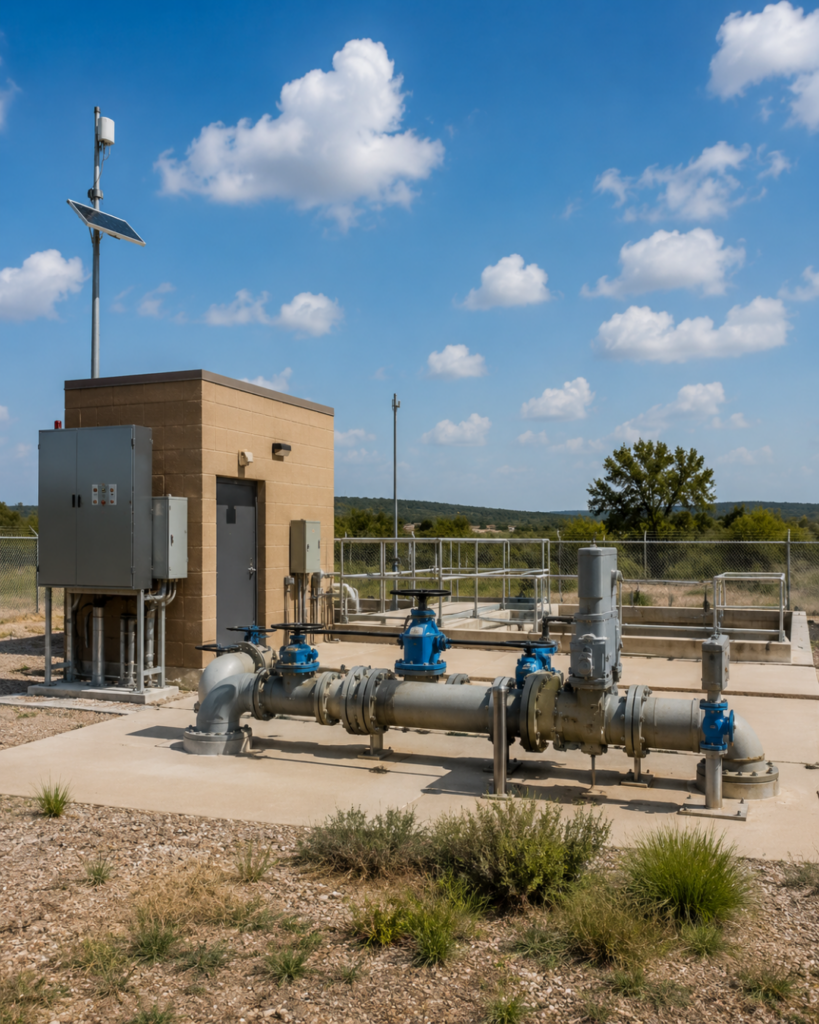
Selecting the right treatment process is a key part of wastewater system design. JA Wastewater evaluates influent conditions, anticipated effluent requirements, site constraints, disposal options, operator preferences, reuse goals, and construction costs before recommending a treatment approach.
Conventional Activated Sludge
Conventional activated sludge systems are often selected because they can offer lower capital costs, lower operation and maintenance costs, and ease of operation. They may require a larger site footprint and may be more challenging when projects must meet stringent effluent limits.
Membrane Bioreactor Systems
Membrane bioreactor, or MBR, systems are often used when projects require high-quality effluent, a smaller footprint, or a robust and stable treatment process. MBR systems may involve higher capital costs and higher operation and maintenance costs, but they can be a strong option for constrained sites, reuse applications, and projects with more demanding permit limits.
Package Wastewater Treatment Facilities
Many decentralized projects use package wastewater treatment facilities supplied by a system manufacturer. These factory-assembled or modular systems provide biological treatment of domestic wastewater and may include coated carbon steel, stainless steel, or concrete components. JA Wastewater designs the supporting infrastructure around the package facility, including site civil elements, yard piping, lift stations, effluent pumping, disinfection, solids handling, buildings, electrical coordination, and control narratives.
Permitting Requirements and Regulatory Compliance
Wastewater system design must align with the applicable permitting pathway. In Texas, wastewater treatment facilities discharging more than 5,000 gallons per day may require an individual water quality permit from the Texas Commission on Environmental Quality. Depending on the site, the project may require a TPDES permit for discharge to surface water or a TLAP permit for land application or evaporation of treated effluent.
Permitting considerations may include:
- Whether a discharge point is available
- Whether the project is in a sensitive environmental area
- Land availability for disposal areas
- Effluent limits and treatment requirements
- Soil analysis for land application systems
- Storage pond or tank sizing
- Public notice and landowner notification
- TCEQ regionalization requirements
- Long-term operations and monitoring
- Reclaimed water or beneficial reuse authorization

Environmental Considerations in Wastewater Design
Wastewater system design must protect both the built environment and natural resources. Site-specific environmental factors can influence the location, size, treatment process, and disposal method for a wastewater facility.
Important environmental considerations include:
- Surface water protection
- Groundwater and aquifer protection
- Public and private water well setbacks
- Floodplain and wetland constraints
- Land application area slopes
- Soil conditions and crop uptake
- Discharge routes and downstream impacts
- Odor, noise, and visual buffers
- Reclaimed water use opportunities
- Long-term effluent monitoring and reporting
For TLAP projects, disposal areas require adequate land, proper setbacks, suitable slopes, and soil analysis. Surface spray irrigation may require a water balance to determine storage capacity, while subsurface disposal may require storage tanks and additional site-specific review.
Wastewater Project Timelines
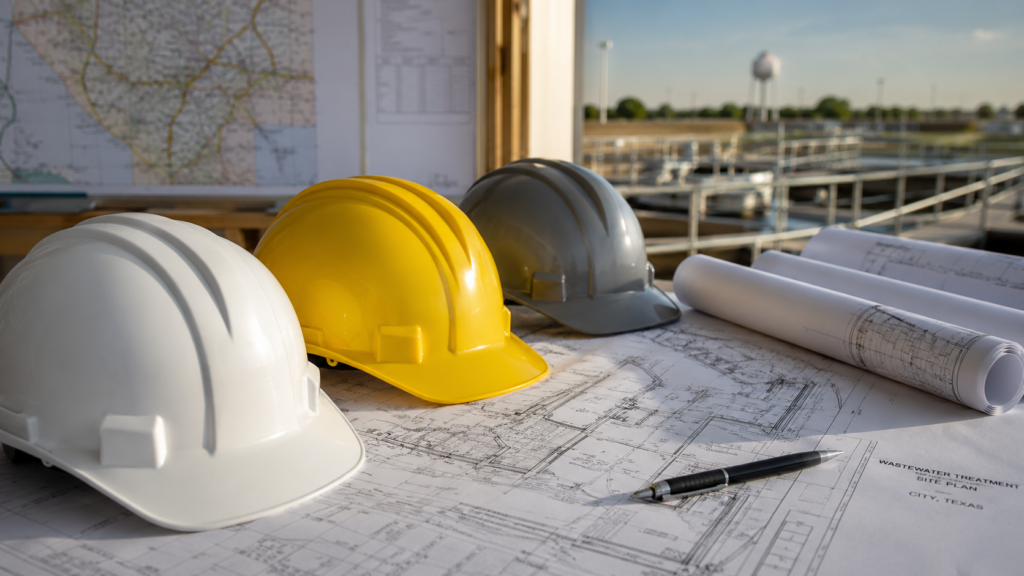
Wastewater system design is often part of a larger project lifecycle that includes planning, permitting, supplier selection, construction documents, public bidding, construction administration, startup, and final authorization.
A typical wastewater project may include:
- Initial planning and design basis development
- Permit type evaluation
- Treatment process selection
- Facility siting and footprint planning
- Permit application preparation
- Agency administrative and technical review
- System supplier selection and design coordination
- Engineering calculations and construction documents
- Public bidding and contractor award
- Construction administration and site observation
- Startup, commissioning, and operator training
- Record drawings and authorization to operate

Project timelines vary based on permit requirements, agency reviews, project complexity, site conditions, and the type of ownership or development. Starting early and coordinating with developers, engineers, regulatory agencies, utility districts, suppliers, and contractors helps minimize delays, reduce costly redesigns, and keep projects on schedule.

Benefits of Working With Experienced Wastewater Professionals
Wastewater system design requires more than engineering calculations. It requires practical knowledge of permitting, treatment technologies, construction sequencing, regulatory expectations, and long-term facility operations.
Working with JA Wastewater helps clients:
- Select the right wastewater treatment option
- Understand permitting requirements early
- Coordinate wastewater design with site planning
- Evaluate TPDES, TLAP, and reuse options
- Design phased systems for future growth
- Prepare construction documents and specifications
- Coordinate system supplier submittals
- Support public bidding and contractor selection
- Review submittals and respond to RFIs during construction
- Observe construction for compliance with plans and permits
- Support startup, commissioning, and final authorization
Our goal is to help clients move from concept to construction with a wastewater system that is practical, compliant, cost-conscious, and built for long-term performance.
Wastewater System Design Service Areas
JA Wastewater provides wastewater engineering and system design services throughout Texas and Colorado. We support property owners, developers, civil engineers, municipalities, utility districts, private utilities, schools, commercial projects, HOAs, rural communities, and decentralized wastewater facility owners.
From early feasibility and permitting strategy to construction documents and final completion, our team helps clients design wastewater infrastructure that supports responsible growth and sustainable communities.
Frequently Asked Questions About Wastewater System Design
Wastewater system design is the engineering process used to plan and design infrastructure for collecting, treating, pumping, disinfecting, disposing of, or reusing wastewater. This can include treatment facilities, lift stations, force mains, effluent pump stations, storage ponds, land application areas, disinfection systems, solids handling, and related site infrastructure.
Wastewater planning should begin as early as possible in the development process. Site layout, density, phasing, land availability, permitting options, and environmental constraints can all affect wastewater feasibility, cost, and schedule.
A TPDES permit generally authorizes discharge of treated effluent to surface water. A TLAP permit is considered a no-discharge option and authorizes land application or evaporation of treated effluent. The best option depends on discharge availability, site location, environmental sensitivity, disposal area, and long-term operational needs.
An experienced wastewater engineering company understands how design decisions affect permitting, compliance, construction, operations, and future expansion. This helps reduce risk, improve coordination, and create a wastewater system that meets both regulatory requirements and project goals.
The best treatment process depends on wastewater flow, effluent limits, land availability, cost, operator preference, permit requirements, and whether reclaimed water reuse is planned. Activated sludge may be cost-effective and easier to operate, while MBR systems may be preferred for smaller footprints or higher-quality effluent.
Design timelines vary by project complexity, permit status, supplier coordination, public bidding requirements, and agency review. Projects involving new treatment facilities, TLAP disposal areas, or phased buildout often require more time than smaller improvements or system modifications.
Yes. Many wastewater systems are designed in phases so infrastructure can serve initial development while allowing for future expansion. Phasing must be coordinated with permitted flows, treatment capacity, site layout, equipment selection, and long-term planning.
Start Your Wastewater System Design Project
If you are planning a development, wastewater treatment facility, utility district project, system expansion, or decentralized wastewater solution in Texas or Colorado, JA Wastewater can help you evaluate your options and move forward with confidence.
Contact JA Wastewater to discuss wastewater system design services for your project.